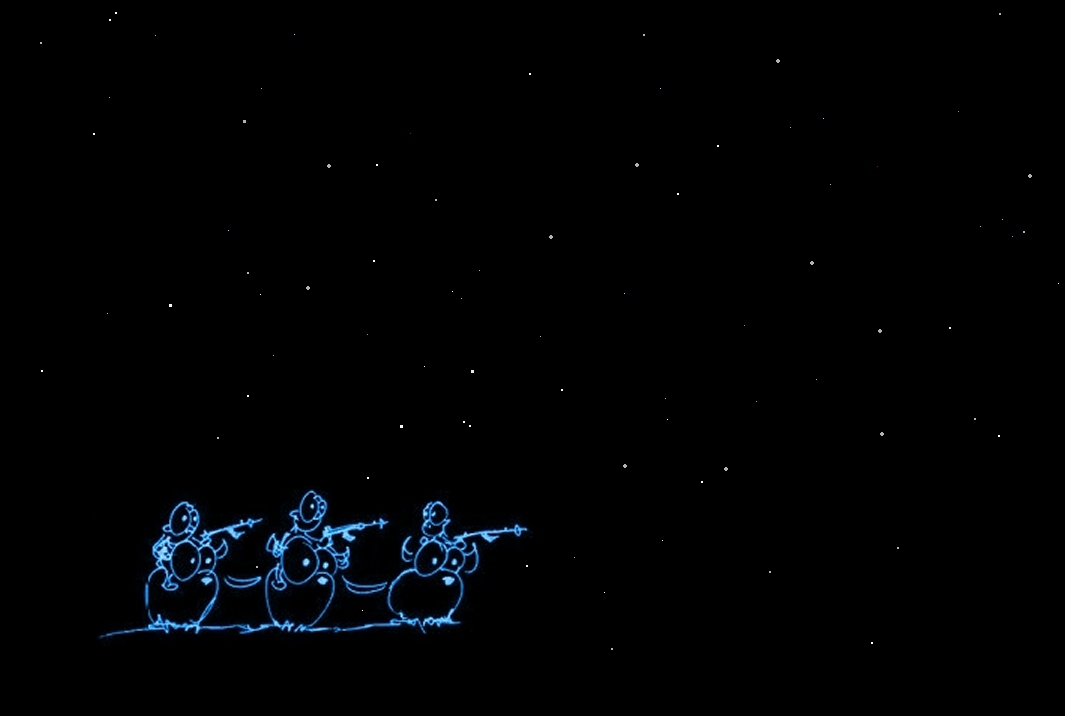
animals of the sierra nevada: big horn sheep
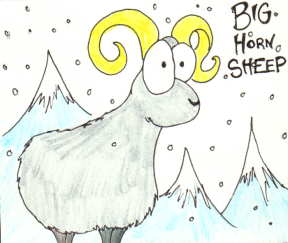
- The bighorn sheep are sociable animals and live together in groups.
- Bighorns live in the highest elevations in the Sierra Nevada.
- In the winter they huddle together on the tops of mountains where it is too windy for snow to collect.
Mar 05
- bighorn sheep, yosemite animals
animals of the sierra nevada: black bear
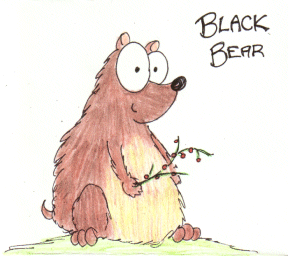
- Black bears can be black, brown, or even blonde.
- Bears love to eat berries, insects, and plants.
- Cubs stay with their mother until they are about 1 and a half years old.
Mar 05
- bears, yosemite animals
animals of the sierra nevada: mt. lyell salamander
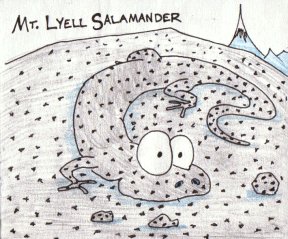
- The Mount Lyell Salamander is patterned like granite, which helps it hide in Yosemite.
- These salamanders like to live near glaciers.
- Its tail has a sticky grip that helps it climb rocks.
Mar 05
- salamanders, yosemite animals
animals of the sierra nevada: mule deer
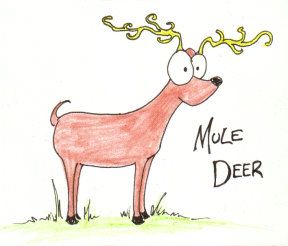
- Deer eat leaves and twigs in the spring and summer, acorns in the fall, and evergreens in the winter.
- Male deer lose their antlers after the fall every year.
- Fawns (baby deer) do not have a scent, which keeps them safe from predators.
Mar 05
- deer, yosemite animals
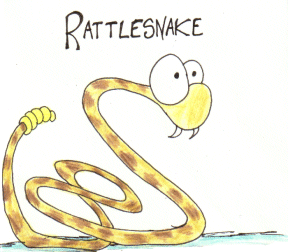
animals of the sierra nevada: rattlesnake
animals of the sierra nevada: california ground squirrel
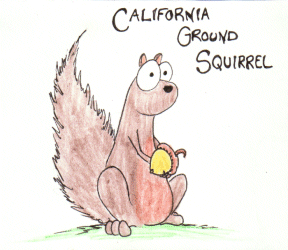
- This squirrel lives on the ground around oaks, not in trees like most other squirrels.
- Some ground squirrels hibernate when it is too cold, others “aestivate” when it is too hot. In both situations they sleep and are dormant until it is nice outside.
- Unfortunately for the ground squirrel, he is an important part of most predators’ diets.
Mar 05
- squirrels, yosemite animals
animals of the sierra nevada: steller’s jay
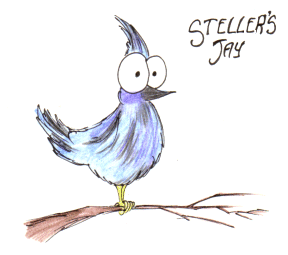
- Steller’s jays are loud and bold around campsites and food, but quiet and shy around their nests.
- Sometimes they imitate the screams of hawks.
- Mostly they live in conifer forests.
Mar 05
- birds, yosemite animals
animals of the sierra nevada: steller’s jay
- Steller’s jays are loud and bold around campsites and food, but quiet and shy around their nests.
- Sometimes they imitate the screams of hawks.
- Mostly they live in conifer forests.
Mar 05
- birds, yosemite animals
animals of the sierra nevada: fisher
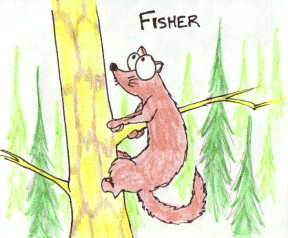
- The fisher is a member of the weasel family.
- The fisher likes thick forests and swamps.
- The fisher is one of the only animals that can hunt porcupines, it avoids the sharp quills by flipping them on their backs.
Mar 05
- fishers, yosemite animals
animals of the sierra nevada: blue-tailed skink
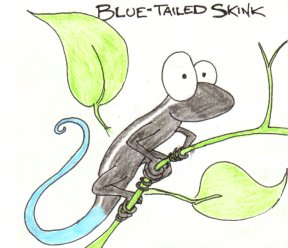
- Skinks live in low to middle elevations.
- Mostly they hide under leaves all day.
- The skink can let its tail fall off when a predator grabs it, then run away.
Mar 05
- blue tailed skinks, yosemite animals
animals of the sierra nevada: bat
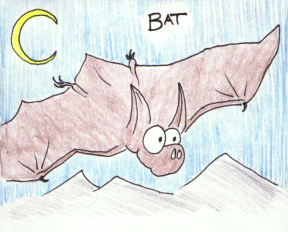
- A bat’s wings are so thin you can read through them.
- Baby bats hang on to their mothers’ backs during hunting, the mother bat cleans her babies daily by licking them.
- Bats drink water by flying over lakes and streams and scooping water into their mouths.
Mar 05
- bats, yosemite animals